
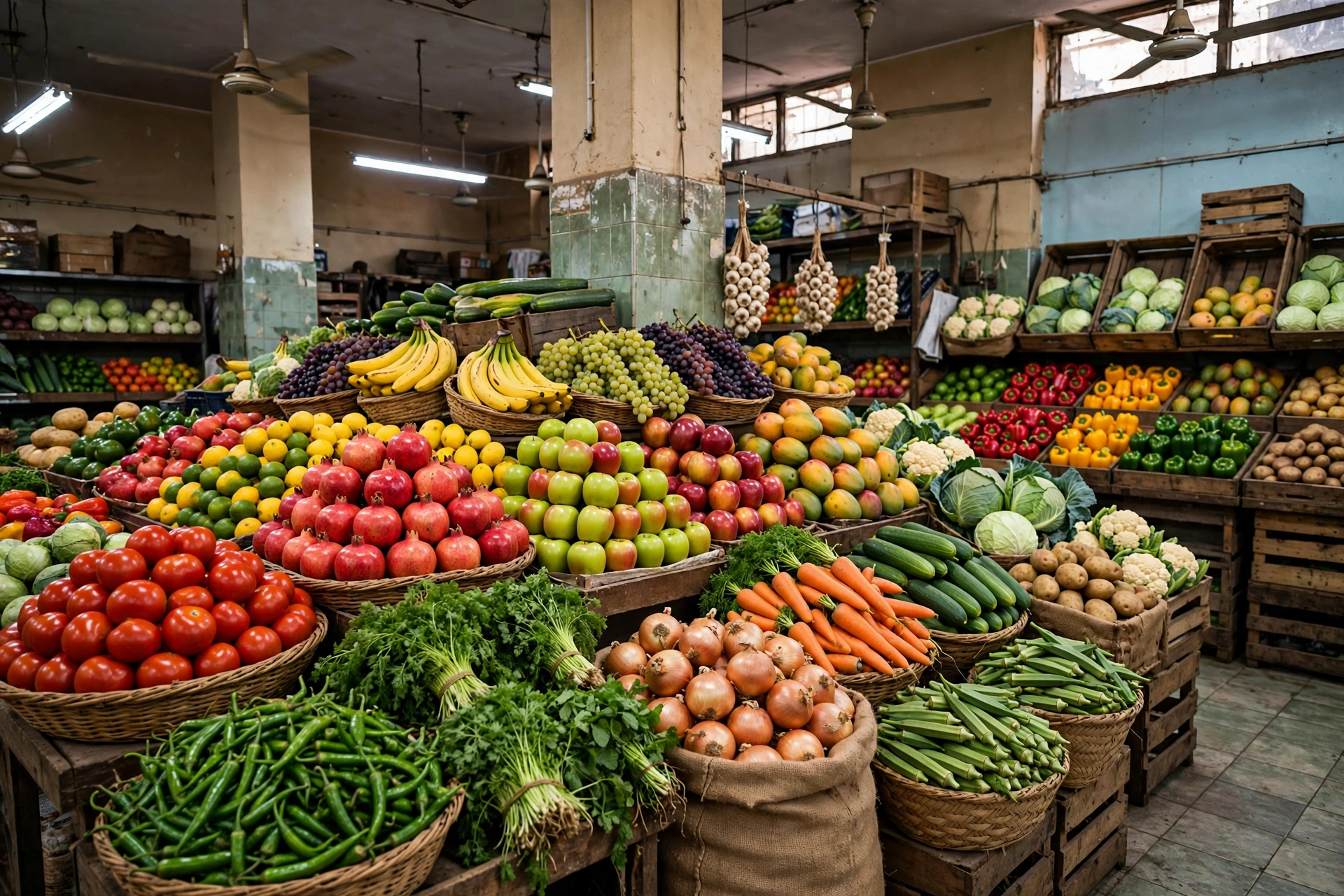
When onion prices surged 125% year-on-year — with wheat up 41% and flour up 32%, according to the Pakistan Bureau of Statistics for September 2026 — grocery shopping changed overnight. Families started comparing prices shop by shop, and searches for grocery store near me stopped being about convenience and started being about survival.
For grocery and kiryana store owners, volatile prices are a marketing gift hiding inside a margin squeeze. The stores that publish their prices and show up in local search win the comparison shoppers. The ones that stay invisible lose them to whoever does. Here’s how local SEO turns a price crisis into footfall.
Why Do Shoppers Search More When Prices Spike?
In stable times, most people buy groceries on habit — same shop, same brands, no questions. But when onions cost more than double last year’s price, habit breaks. Shoppers start asking: which store has the cheapest onions today? Who has fresh stock? Is anyone running a deal on cooking oil or flour?
That questioning happens on Google. “Grocery store near me,” “sasta rashan,” “fresh sabzi near me” — these searches spike exactly when prices do. The store that appears with current prices, good reviews, and an active profile captures the shopper at the decision moment. The store with a dusty, photo-less listing doesn’t even enter the conversation.
Price-sensitive shoppers also become loyal shoppers. Win a family’s trust during the expensive months, and they keep coming when prices settle.
How Does a Weekly Price List Win “Grocery Store Near Me” Searches?
A weekly essentials price list is the single highest-ROI content a grocery store can publish. Here’s why it works for search:
- Freshness signal: updating prices weekly tells Google your business is active — active listings rank better than dormant ones.
- Bookmark behavior: shoppers save and revisit your page or profile, and repeat visits are a quiet ranking signal.
- Long-tail matches: a list naming onions, tomatoes, wheat flour, cooking oil, and lentils matches the specific price searches people actually type.
- Shareability: price lists get forwarded in family WhatsApp groups — free distribution you can’t buy.
Publish the list as a Google Business Profile post every week (or on your website/Facebook page with the same prices). Keep the format identical each time — item, price, unit — so regulars can scan it in seconds. Honesty matters: if your onions are expensive this week, say so and highlight what is cheap instead. Shoppers respect transparency more than perfection.
What Should You Post on Your Google Business Profile?
Your profile should feel like a live shop, not a directory entry:
- Weekly price posts with that week’s essentials and any deals.
- Fresh-stock photos: morning vegetable arrivals, neatly stacked shelves, clean freezers. Real photos beat stock images every time.
- Timings and services: exact opening hours, home delivery areas, and whether you take phone or WhatsApp orders.
- Category done right: “Grocery store” as primary; add “Produce market” or “Wholesale grocer” if they fit.
- Review replies: respond to every review. A shop owner who replies looks accountable — exactly what price-worried shoppers want to see.
Consistency beats intensity. One price post every week for three months outperforms a burst of ten posts followed by silence.
How Do You Keep Customers When Every Rupee Counts?
Competing purely on price is a race to the bottom, so compete on trust plus value. Bundle slow-moving stock into weekly “rashan deals.” Offer a small loyalty perk — every tenth visit gets a discount on staples. Keep a WhatsApp broadcast list where regulars get the price list before anyone else; exclusivity costs nothing and builds habit.
Ask happy customers for Google reviews mentioning fair prices and fresh stock. “Onions cheaper here than the market, and the vegetables are always fresh” is the review that brings their neighbors in. And when a competitor undercuts you on one item, don’t panic — shoppers buy baskets, not single items, and the store they trust gets the whole basket.
Frequently Asked Questions
Why did onion prices rise so much in 2026?
Per the Pakistan Bureau of Statistics, onion prices were up 125% year-on-year in September 2026, alongside wheat at +41% and wheat flour at +32%, driven by broader food inflation pressures.
How often should a grocery store update prices online?
Weekly at minimum during volatile periods. A consistent weekly price post keeps your Google Business Profile fresh and trains shoppers to check you first.
Can a small kiryana store outrank big supermarkets?
For “near me” searches, yes. Google’s map pack rewards proximity, relevance, and an active, well-reviewed profile — not store size. A kiryana store with weekly price posts and strong reviews routinely outranks bigger chains nearby.
Should I advertise when my prices are high?
Yes — but advertise honestly. Lead with the items where you’re competitive, be upfront about expensive ones, and position yourself as the transparent, trustworthy option. Shoppers punish hidden prices more than high ones.
Price spikes bring shoppers to Google — make sure they find your store first. My SEO services in Attock help grocery stores and local retailers rank in the map pack with price-list content, review systems, and profiles that convert searchers into regulars. Message me on WhatsApp for a free consultation.
2 thoughts on “Grocery Store SEO When Onion Prices Rise 125%”